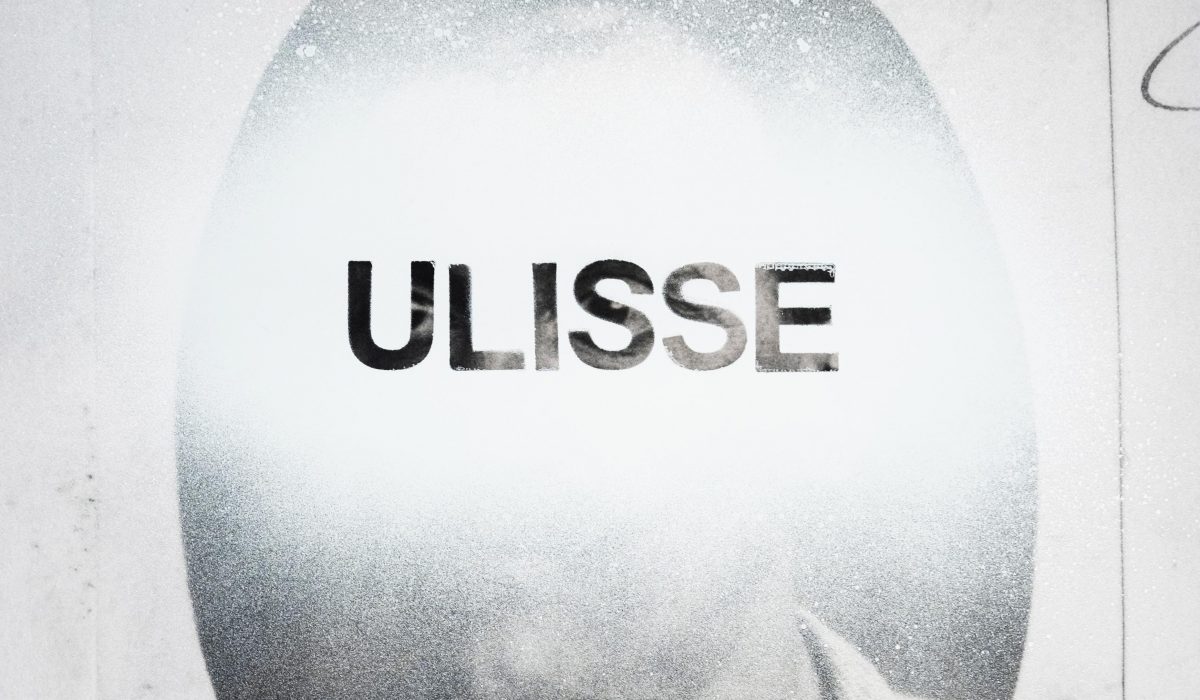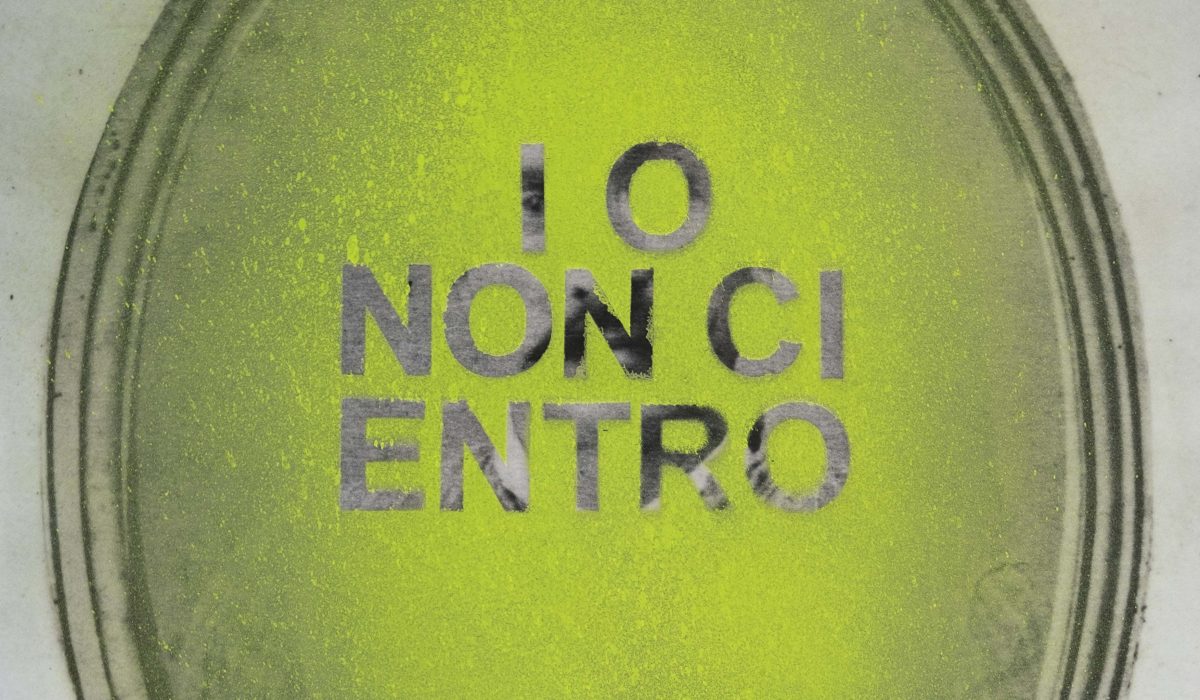
docu-film, found footage
66′ 30”
2026
directed, shooted and edited by
Elisa La Boria, Luka Bagnoli
music by
Fabio Mina
animated sequences by
Silvia Francis Berry
sound post-production
Davide Hare
produced by
Zeroscena
with the support of
Municipality of Rimini
- Official selection Bellaria Film Festival – World Premiere;
- Official Selection SiciliAmbiente Film Festival – Aamod Prize Winner;
- projection and talk for Art Ecologies series with NICHE – Centre for Environmental Humanities, Venice.
For half a century, the Rimini Dolphinarium was a fixture of Italian seaside tourism, something close to an icon of the Romagna Riviera. Then, in 2013, everything changed: the dolphins were removed by the authorities following accusations of mistreatment, setting an unprecedented case in Europe.
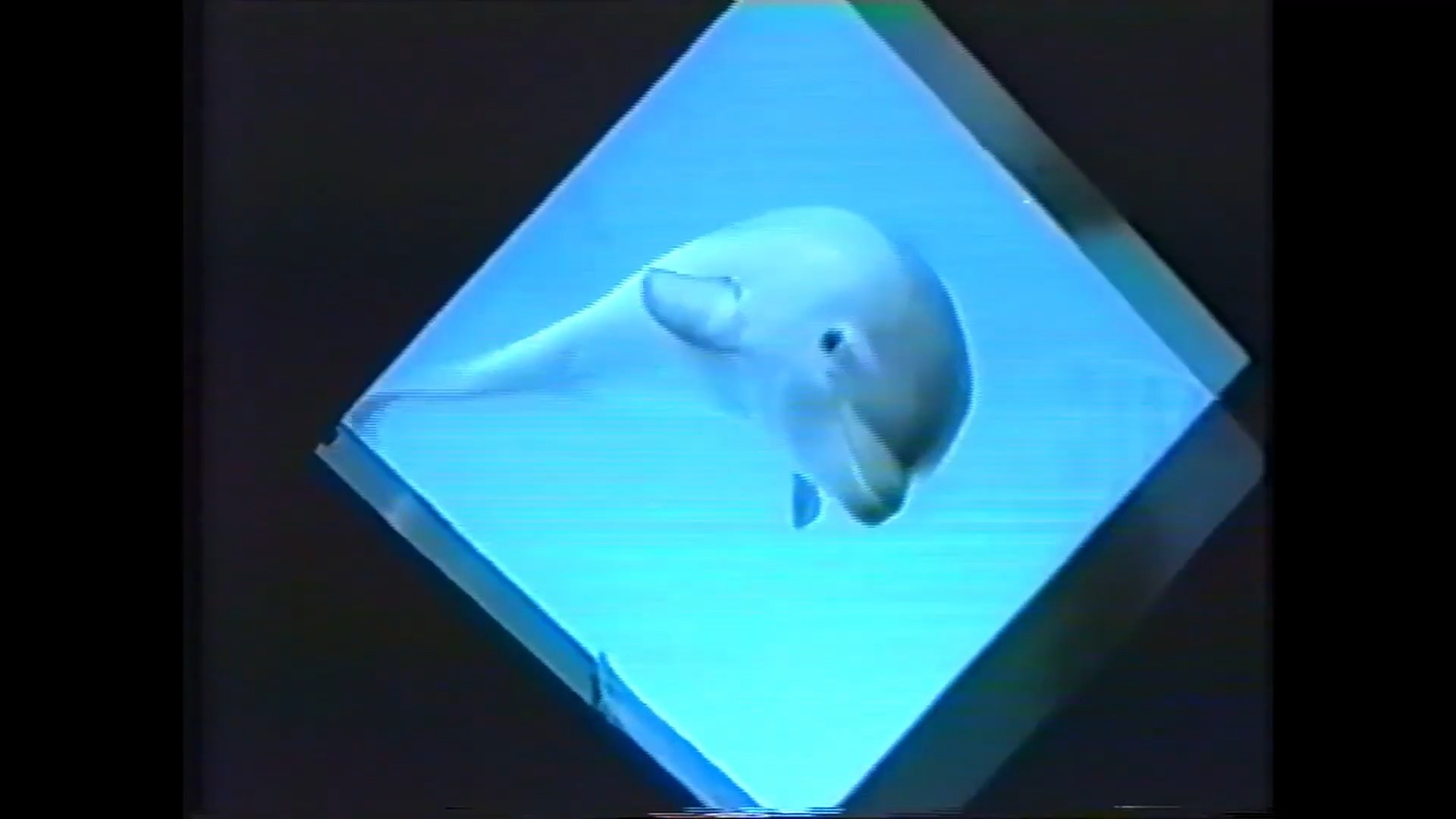
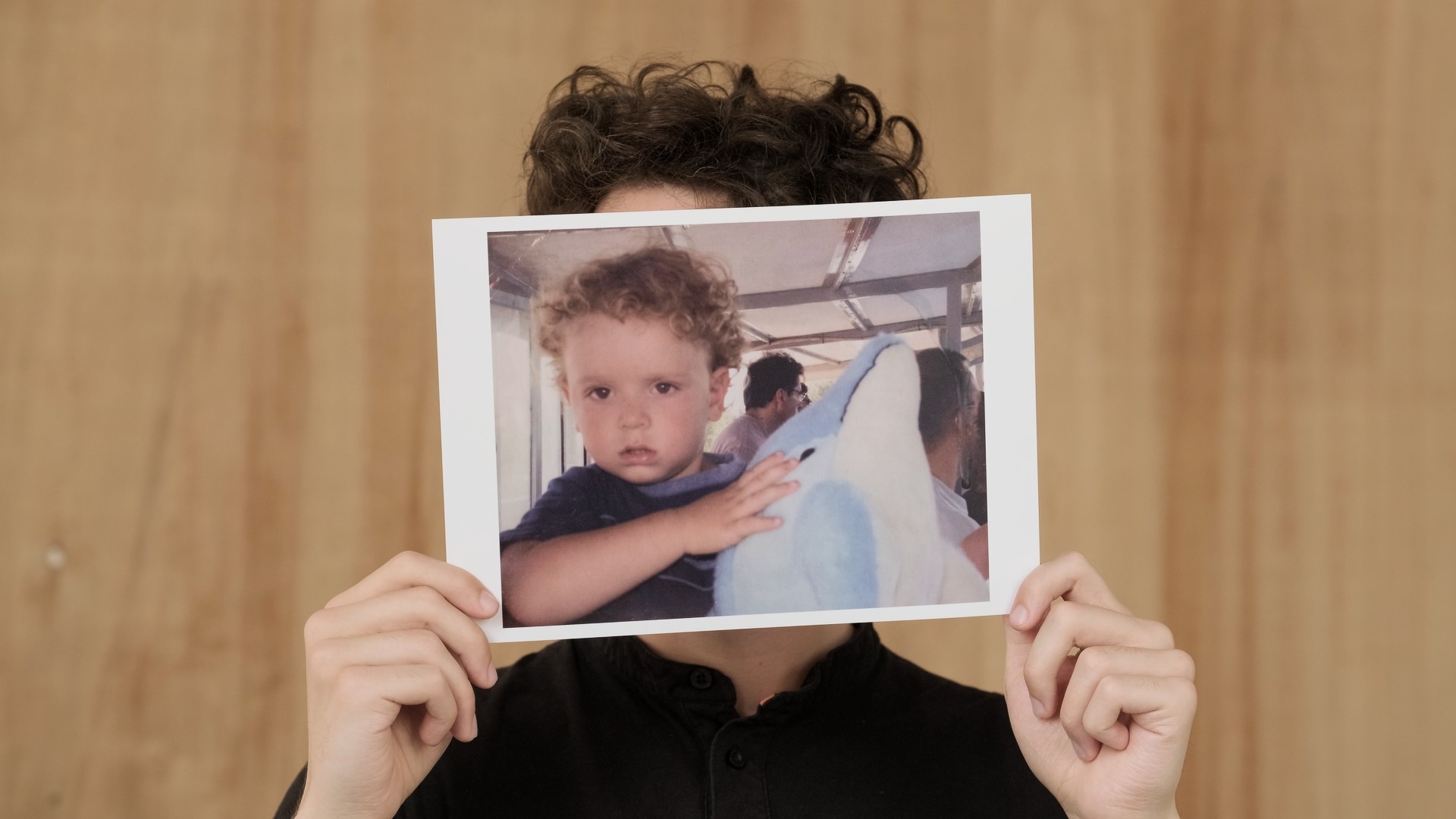
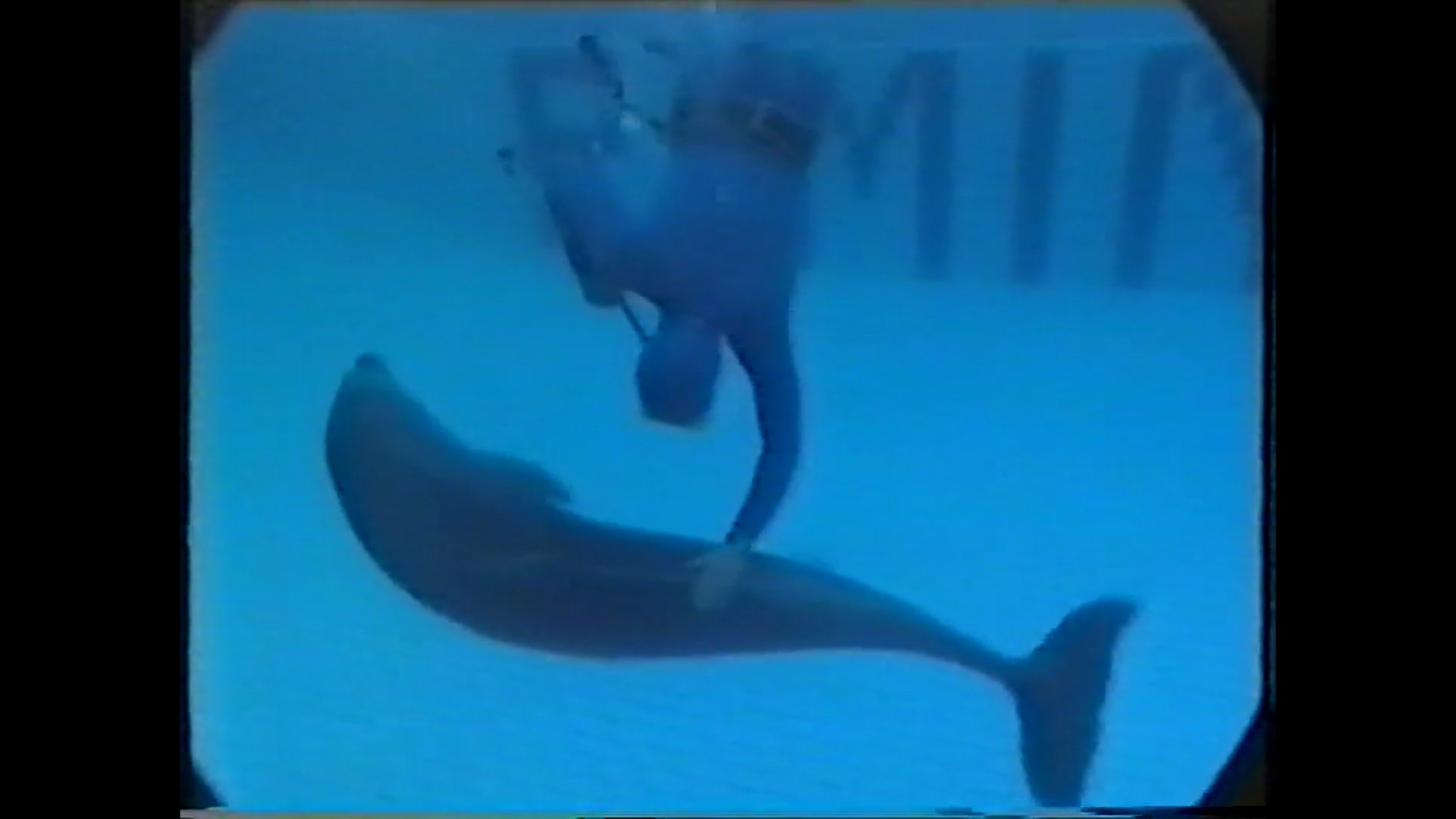
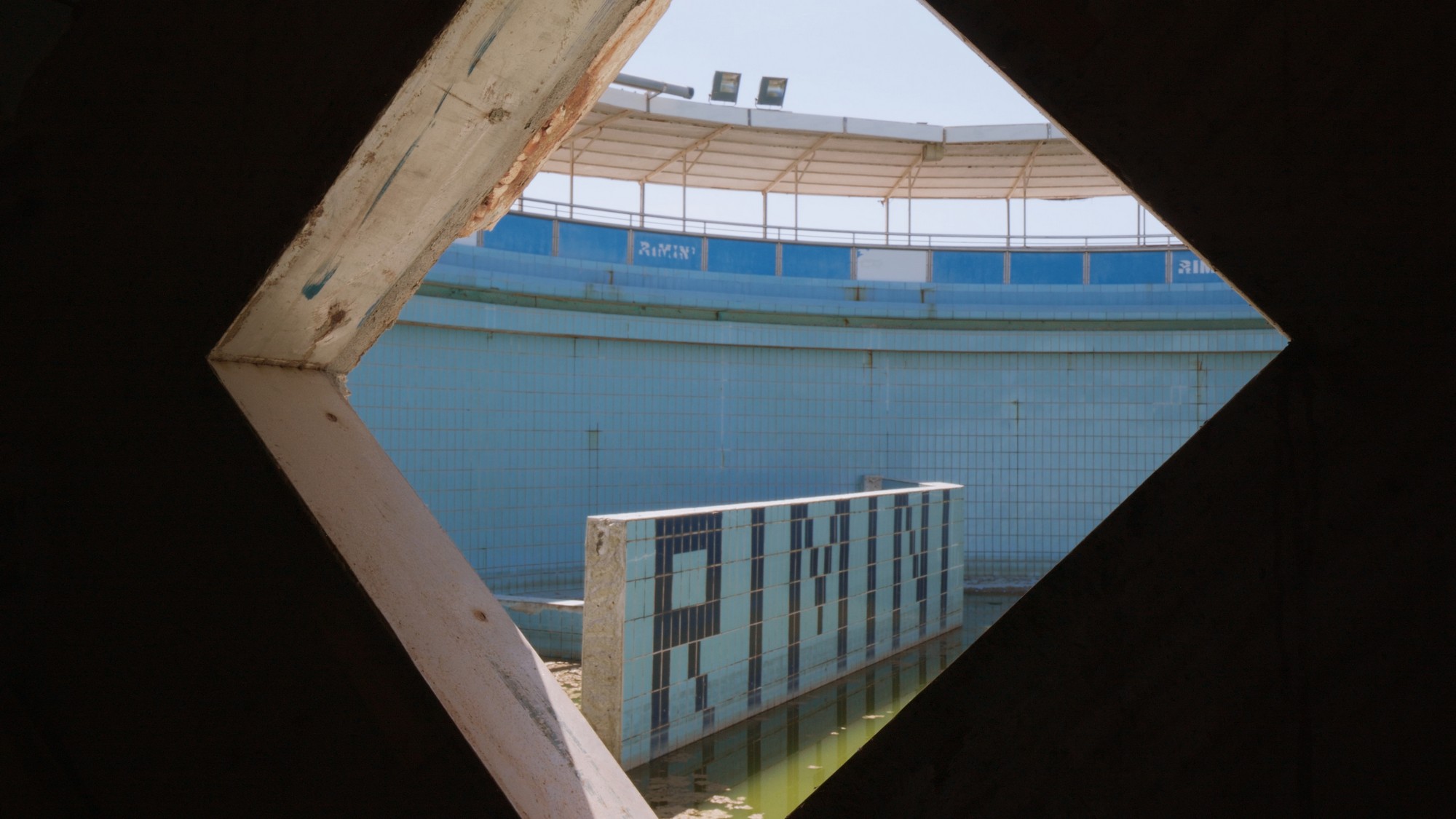
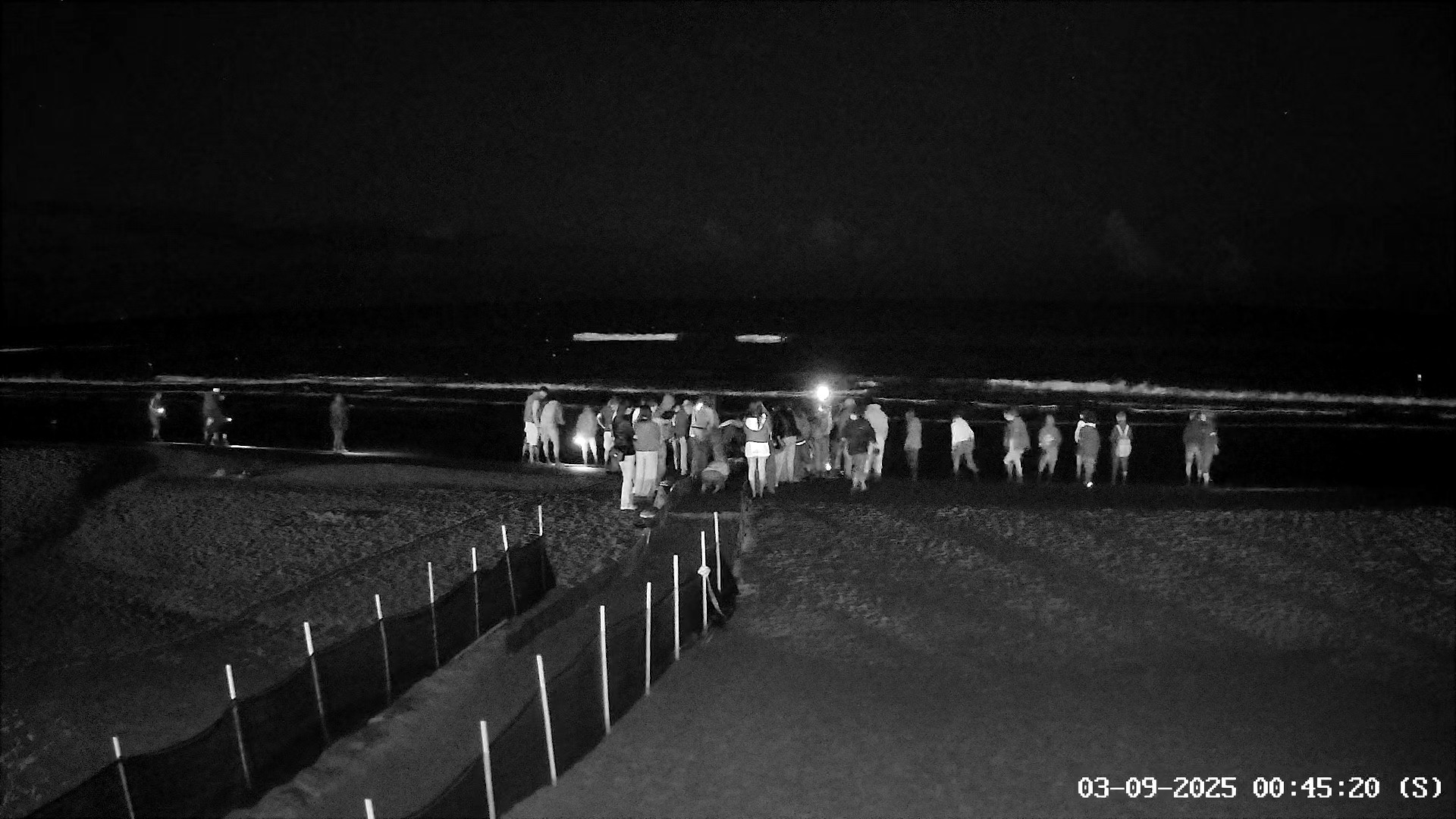
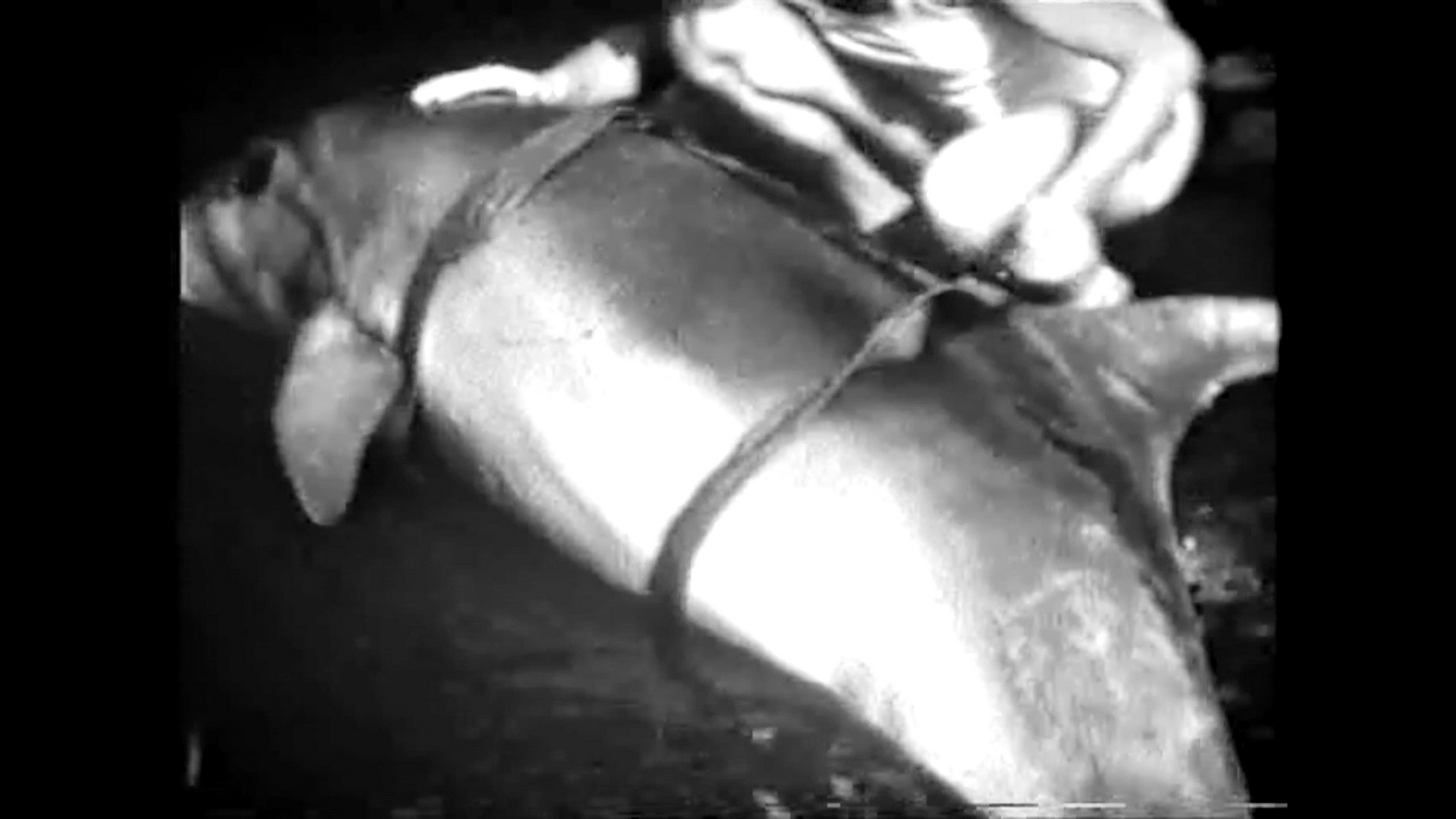
In the silence of the now-empty facility, a forgotten treasure surfaced: video tapes documenting the dolphins’ lives, from births and shows to moments of stress and the staff’s everyday observations. Suspended in time, these images blend past and present, conjuring a Riviera where mass tourism has faded into legend and the relationship with the sea has taken on new, unexpected forms.
Un mare molto piccolo (A very small sea) tells the story of animal exploitation by constantly shifting the gaze, and in doing so, it arrives at the political discourse of non-human liberation without forcing the issue or slipping into rhetoric.
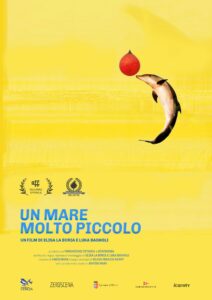
Per mezzo secolo, il Delfinario di Rimini ha incarnato l’immagine del turismo balneare italiano, una sorta di icona della Riviera Romagnola. Tutto cambia nel 2013, quando i delfini vengono trasferiti dalle autorità a seguito di accuse di maltrattamento, segnando un precedente senza pari in Europa.
Nel silenzio della struttura vuota emerge un tesoro dimenticato: videocassette che documentano la vita dei delfini tra nascite, spettacoli, momenti di stress e osservazioni quotidiane del personale. Quelle immagini sospese nel tempo mescolano
memoria e presente, evocando una Riviera in cui il turismo di massa è ormai leggenda e il legame con il mare ha assunto forme nuove e inaspettate. Un mare molto piccolo racconta lo sfruttamento degli animali decentrando costantemente lo sguardo, e riuscendo così a raggiungere il discorso politico della liberazione dei non umani senza forzature e rifuggendo da ogni tentazione retorica.